Debunking popular gambling myths What you need to know
Understanding the Odds
Many newcomers to gambling often misunderstand the concept of odds. A common myth is that odds can be manipulated or influenced by players. In reality, odds are determined by a combination of statistical analysis and market behavior. Bookmakers set odds based on data and probabilities, reflecting the likelihood of an outcome. Therefore, no amount of wishful thinking or emotional investment can alter these odds, which are designed to ensure the house has an edge over time. Choosing among various resources like british betting sites can help bettors navigate these complexities.

Another prevalent myth is that certain games, particularly slot machines, are “due” for a win after a series of losses. This misconception stems from a misunderstanding of random number generators, which govern modern slots. Each spin is an independent event, and past outcomes do not influence future results. Thus, believing that a machine is “hot” or “cold” is nothing more than a gambler’s fallacy, leading many to chase their losses unnecessarily.
Understanding odds also involves recognizing the concept of implied probability. Many bettors are not aware that odds also represent the bookmaker’s margin, which is built into the numbers. For instance, if a team has odds of 2.00 to win, the implied probability is 50%, but the actual chance may be slightly lower once the bookmaker’s edge is considered. This insight can lead to more informed betting decisions, allowing players to better assess value in their wagers.
Luck Versus Skill
One of the most debated topics in gambling is the balance of luck and skill. Many believe that games like poker require skill, while others argue that it’s all about luck. While luck undeniably plays a significant role in the short term, skill has a more substantial impact over extended periods. Successful poker players use strategy, psychology, and game theory to make better decisions than their opponents, proving that skill can significantly influence outcomes.
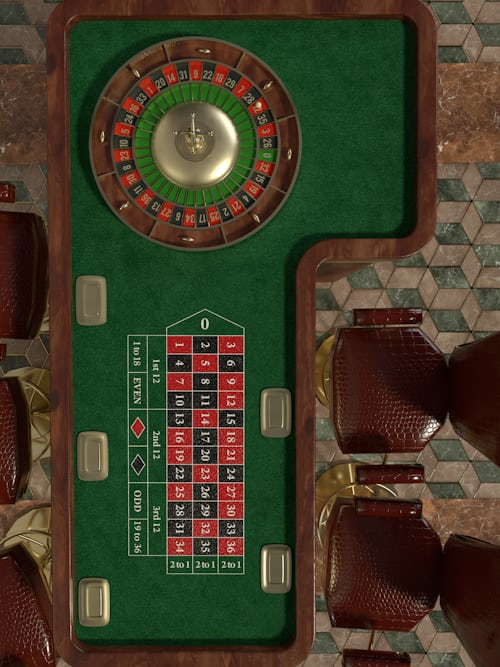
In contrast, games such as roulette and slots are primarily luck-based. The outcome of each spin or roll is random, and no strategy can consistently alter that outcome. Many gamblers mistakenly believe that betting patterns can sway results. In fact, no strategy, including the Martingale system, can overcome the inherent randomness of these games. As a result, it is crucial for players to understand the nature of the games they are playing and to manage their expectations accordingly.
Ultimately, the interplay of luck and skill varies by game type. Understanding which games are predominantly skill-based versus luck-based can help gamblers tailor their approach. For instance, investing time in games like blackjack or poker can enhance skill levels, leading to better long-term outcomes. In contrast, games based purely on chance should be approached with a mindset focused on entertainment rather than profit.
House Edge Myths
A prevalent myth among gamblers is that the house edge can be overcome with certain strategies or betting systems. The house edge is a built-in advantage that casinos maintain, ensuring they profit in the long run. This edge varies by game, with blackjack having a lower house edge compared to slots. However, no strategy can consistently negate this mathematical advantage, as the odds are stacked in favor of the house regardless of the player’s methods.
Additionally, many players believe that they can “beat the house” by employing betting systems like progressive betting or flat betting. While these systems may provide short-term wins or losses, they ultimately do not change the fundamental odds of the games being played. The randomness inherent in games like roulette ensures that players cannot manipulate the outcome, regardless of the strategies employed.
Understanding the house edge is crucial for responsible gambling. Players should approach gambling with the knowledge that while they can enjoy the thrill of betting, the odds will always favor the casino. This understanding can help set realistic expectations and promote a healthier gambling mindset, ensuring that enjoyment remains the primary goal rather than the pursuit of profit.
Mistaken Beliefs About Gambling Systems
Many gamblers often cling to the belief that they can identify winning patterns or systems that lead to guaranteed profits. This is particularly common in sports betting and casino games. The truth is that no system can guarantee success in gambling. Variability and chance are inherent in these activities, making it impossible for any system to provide consistent wins. Even the most sophisticated betting algorithms cannot predict outcomes with absolute certainty.
Furthermore, misconceptions surrounding “hot” and “cold” streaks lead many to make irrational bets. For instance, a player may believe that a certain team will win because they have been winning lately, ignoring the underlying statistics. This cognitive bias can cloud judgment and result in unwise betting choices. Instead, bettors should focus on statistical analysis and informed decision-making rather than following their instincts or emotions.
Understanding the limitations of gambling systems is essential for any bettor. Acknowledging that randomness plays a significant role in outcomes can help players adopt a more rational approach to their betting strategies. This awareness enables individuals to enjoy gambling as a form of entertainment rather than a guaranteed income stream, ultimately leading to a healthier relationship with betting.
Exploring Responsible Gambling Resources
As gambling becomes increasingly accessible through online platforms, understanding the importance of responsible gambling is vital. Numerous resources are available to help players navigate their gambling experiences safely. Websites that offer information on responsible gambling often provide tools like self-assessment quizzes, deposit limits, and time management strategies to keep gambling enjoyable and controlled.
Engaging with these resources can help prevent the escalation of gambling-related issues. For instance, many players are unaware of how quickly gambling can turn from a fun pastime into a compulsive behavior. Utilizing responsible gambling tools allows players to monitor their activities and make informed choices about their betting habits. It is crucial for individuals to recognize when their gambling may be crossing the line into problematic behavior.
Furthermore, organizations dedicated to responsible gambling often offer support and counseling for those who need assistance. Whether it’s through hotlines, chat services, or in-person counseling, resources are available to help individuals who find themselves struggling with gambling addiction. Understanding these options can empower players to seek help if they need it, fostering a safer gambling environment for everyone.
Agregar un comentario